

How to Organize a Small Kitchen for Maximum Space
Trying to organize a small kitchen can feel like solving a puzzle. Between limited cabinets, overflowing drawers, and countertops that disappear under clutter, even cooking a simple meal can feel stressful. But here’s the good news — you don’t need a full remodel to make your kitchen feel bigger and more functional.
With smart systems, intentional storage, and a few design tricks, you can maximize kitchen space and fall in love with cooking again — no matter the size of your kitchen.
Step 1: Declutter Before You Organize
Before you start rearranging shelves or buying bins, take time to declutter your kitchen. This single step can instantly create breathing room.
The One-Drawer Rule
Start small. Pick just one drawer — maybe the “junk” drawer. Empty it completely and ask:
- Do I use this item weekly?
- Do I have duplicates?
- Does it make cooking easier?
Keep only what earns a “yes.” Toss, donate, or relocate everything else. Apply this process drawer by drawer.
Reduce Gadget Overload
It’s easy to collect gadgets (hello avocado slicer, spiralizer, and mini waffle maker). But most people use only a handful regularly. Keep the multi-purpose tools, like a sharp chef’s knife or high-quality cutting board, and donate the rest.
Simplify Cleaning Supplies
If your under-sink cabinet looks like a small store aisle, pare down to essentials: one all-purpose cleaner, dish soap, and a microfiber cloth set.
When you’re ready to part with unused items, consider donating or recycling instead of throwing them away. The EPA’s official guide to reducing household waste offers simple ways to keep clutter out of landfills while giving your space a fresh start.
Pro Tip: Decluttering doesn’t just create space — it also makes cleaning faster and lowers visual stress. If you’re struggling to get rid of stuff, read our post about the emotional side of decluttering.
Step 2: Maximize Vertical Space
When floor or counter space is limited, the best solution is to go up.
Use Magnetic Strips
Mount magnetic strips on your backsplash or inside cabinet doors to hold knives, spice tins, or small metal tools. It’s safer than a knife block and keeps utensils within easy reach.

Add Hooks and Racks
Hang mugs beneath shelves, place hooks for measuring spoons, or install a wall rack for pots and pans.
If you rent, removable adhesive hooks work great without damaging walls.

Floating Shelves for Style and Storage
Open shelving visually opens up a small kitchen while adding functionality. Use floating shelves to display glassware or jars of grains and pasta — both beautiful and practical.

Stack Smartly
Use shelf risers and stackable bins to double cabinet space. This approach prevents the “avalanche effect” when you reach for something in the back.
Step 3: Create Functional Kitchen Zones
Organizing by zones keeps your kitchen running smoothly. Even a tiny kitchen can feel spacious when items are stored where you use them most.
| Zone | Purpose | Items to Store |
|---|---|---|
| Prep Zone | Counter near the sink | Cutting boards, knives, mixing bowls |
| Cooking Zone | Near the stove or oven | Pots, pans, spatulas, cooking oils |
| Cleaning Zone | Around the sink or dishwasher | Sponges, dish soap, drying rack |
| Storage Zone | Pantry or tall cabinet | Dry goods, snacks, baking ingredients |
| Coffee/Tea Zone | One shelf or cart | Mugs, filters, tea bags, sugar |
Once these kitchen organization zones are in place, you’ll waste less time searching and more time cooking.
Step 4: Organizing Kitchen Cabinets Efficiently
Cabinets are the backbone of every small kitchen. Yet without structure, they quickly become chaos zones.
Group by Category
Store all baking items together, keep dinnerware in one area, and dedicate a section to food storage containers. Grouping prevents duplicate purchases and makes it easier to see what you own.
Use Clear Containers and Labels
Transparent bins help you instantly spot what’s inside. Label everything — from spices to snacks — using uniform tags or a label maker for a cohesive look.
Use Lazy Susans in Deep Cabinets
A lazy Susan is perfect for deep corners or high shelves. Instead of digging, you can spin to access items.

File Instead of Stack
In drawers, use dividers or organizers so lids, baking sheets, and cutting boards stand vertically. This method saves space and prevents clutter piles.

Consider Pull-Out Shelves
If you own your home, installing pull-out drawers or sliding baskets can transform your lower cabinets into fully accessible storage. It’s one of the best small kitchen storage ideas with long-term benefits.
Step 5: Master Kitchen Counter Organization
Countertops are the most visible (and often most cluttered) part of a small kitchen. Keeping them clear will make your space feel instantly larger.
Limit What Lives on the Counter
Aim for just 3–5 everyday items:
- Coffee maker or kettle
- Cutting board
- Fruit bowl or utensil crock
- Toaster (if used daily)
Everything else should live inside a cabinet or pantry.
Use Trays to Contain Visual Clutter
A small tray beside the stove can neatly corral olive oil, salt, and pepper — creating order from what used to look messy.
Add Life with Plants
A single potted herb or small succulent adds freshness and personality. Bonus: herbs like basil or parsley are functional and decorative.
End-of-Day Counter Reset
Before bed, spend 2 minutes clearing and wiping your counters. This nightly ritual maintains your clean look effortlessly.
Step 6: Make the Most of Hidden Spaces
Even the smallest kitchens hide untapped potential.
Inside Cabinet Doors
Add adhesive organizers or narrow racks inside doors to store cutting boards, foil, or plastic wrap.

Above Cabinets
If your cabinets don’t reach the ceiling, use that space for rarely used items (serving trays, seasonal decor, or extra paper towels).
Rolling Carts
A slim rolling cart between the fridge and wall can hold pantry staples or cleaning supplies. Roll it out when you need it; tuck it away when you don’t.
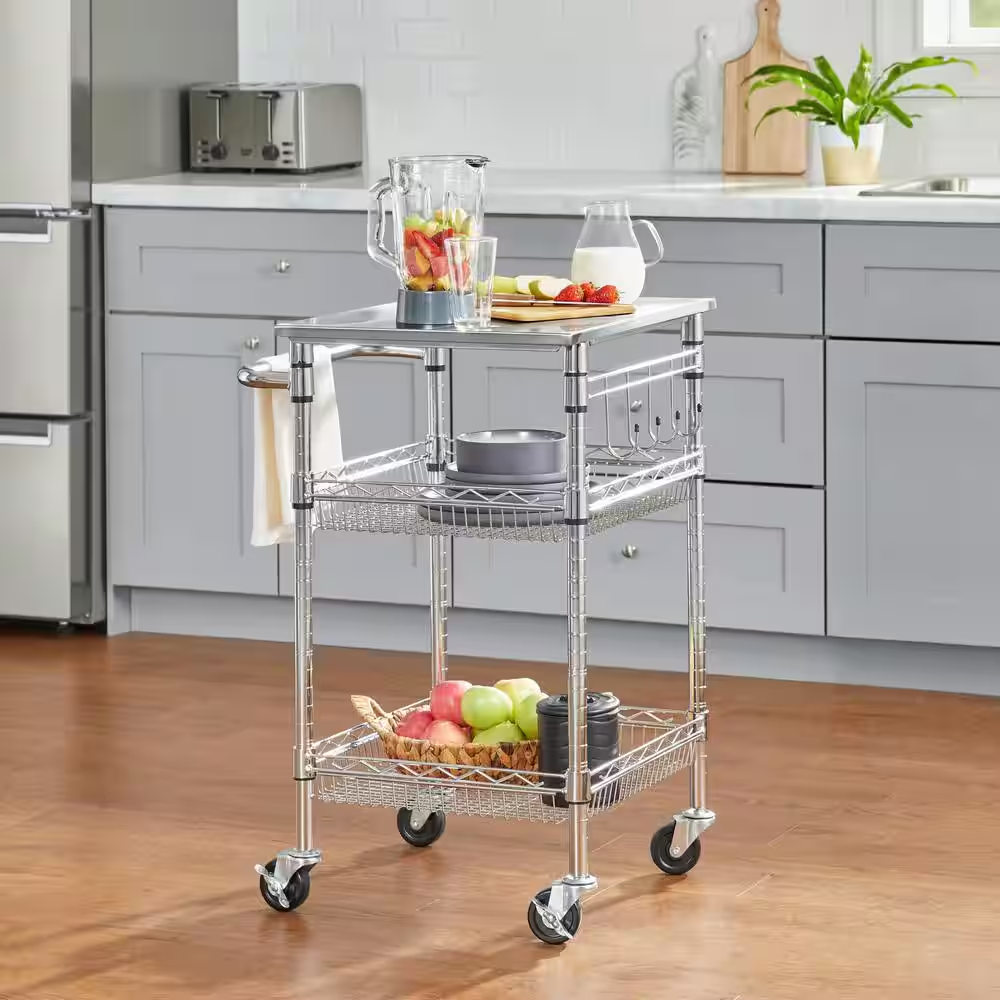
Multi-Purpose Furniture
A small island or bar cart with shelves underneath can double as both prep space and extra storage.
Step 7: Keep Your Small Kitchen Organized Long-Term
The hardest part of organizing a small kitchen isn’t the setup — it’s maintaining it. Here’s how to make your system stick.
Weekly Mini-Declutter
Every Sunday, spend five minutes scanning for:
- Expired pantry goods
- Unused utensils on the counter
- Duplicates creeping back in
Seasonal Deep Clean
Every few months, do a full sweep: empty one cabinet at a time, wipe surfaces, and reorganize with intention.
Use the “One In, One Out” Rule
If you bring in a new gadget or dish, donate or remove one. This prevents overstuffing cabinets again.
Stay Flexible
Your needs may change — maybe you start baking more, or get into meal prep. Revisit your zones and adjust storage as life evolves.
Step 8: Styling and Aesthetics — Because Pretty Matters Too
An organized small kitchen isn’t just about function. A little style makes you actually want to keep it tidy.
Choose a Light Color Palette
Soft neutrals, whites, or pale grays reflect light and make tight spaces feel bigger.
Minimal Hardware
Opt for sleek cabinet handles or push-to-open drawers for a clean visual line.
Uniform Containers
Matching jars, baskets, or canisters bring visual calm. When everything coordinates, even open shelving looks intentional.
Step 9: Quick Fixes That Make a Big Difference
Sometimes small tweaks have outsized impact:
| Problem | Solution |
|---|---|
| Cluttered fridge front | Use a magnetic organizer for mail and pens |
| Overflowing spice rack | Switch to uniform spice jars with labels |
| Cords everywhere | Add adhesive hooks to the back of appliances |
| No drawer for towels | Roll them in a decorative basket under the sink |
These easy wins take minutes but deliver lasting satisfaction.
Step 10: Budget-Friendly Tools for Organizing a Small Kitchen
You don’t need to spend hundreds to create order. Here are affordable essentials that make a huge difference:
- Expandable drawer dividers – keep utensils separated and tidy
- Stackable bins – double cabinet capacity instantly
- Over-the-door organizers – utilize vertical pantry or cabinet space
- Turntables (lazy Susans) – maximize deep corner storage
- Clear airtight containers – reduce visual clutter and keep food fresh
- Command hooks – renter-friendly and easy to reposition
Common Mistakes When Organizing a Small Kitchen
Avoid these pitfalls that make small kitchens feel even smaller:
- Too many bins: Over-organizing can make you forget where things are.
- Bulky decor: Keep styling minimal; every inch counts.
- Ignoring maintenance: Systems fail if you don’t review them regularly.
- Not labeling: Labels save time and prevent confusion. They also save money in the long run.
- Hoarding “just in case” items: Be realistic — less is always more in small spaces.
Real-Life Example — The Two-Hour Kitchen Reset
Meet Sarah, a busy mom with a galley kitchen. Her counters were buried, and cooking felt chaotic. She spent two hours following these steps:
- Decluttered expired food and duplicates.
- Used bins to group snacks and labeled each.
- Hung utensils and pots vertically.
- Created a coffee station on a rolling cart.
Now she says:
“I used to dread cooking. Now I actually enjoy it. My kitchen feels twice as big!”
Stories like Sarah’s show that organizing a small kitchen is less about square footage — and more about smart habits.
Final Thoughts: Your Small Kitchen Can Feel Spacious and Calm
Even the tiniest kitchen can become a beautiful, efficient space. With thoughtful decluttering, creative small kitchen storage ideas, and a few styling touches, you’ll love how easy cooking and cleaning can be.
Remember — every inch matters, but so does every habit. Maintain what you’ve created, and you’ll never feel cramped again.

I am a detail-oriented mom of 3 who specializes in helping families organize and declutter their spaces.


You May Also Like

When You Just Wanted to Organize One Shelf and Ended Up Doing the Whole Kitchen
